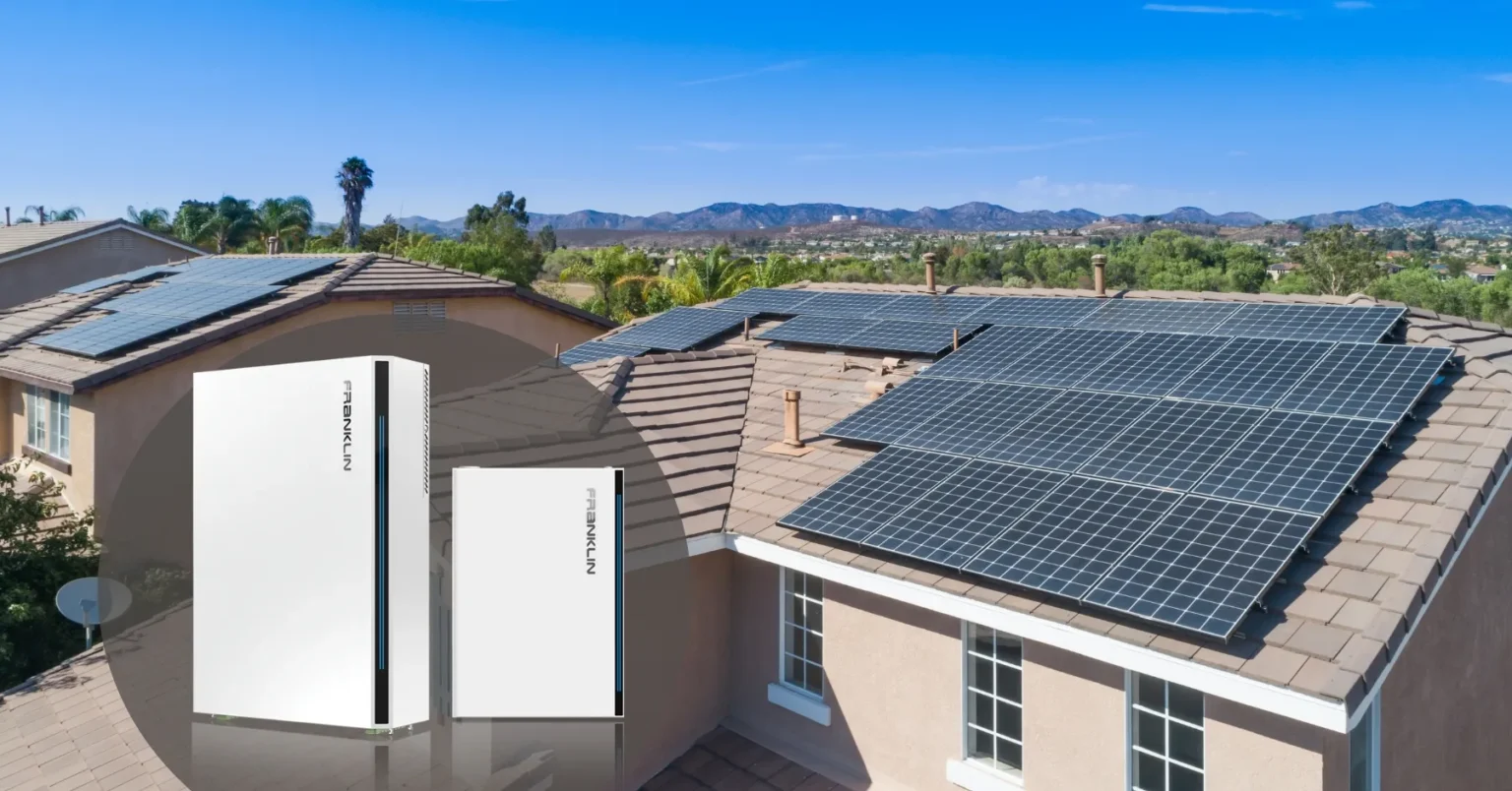
Introduction
As energy costs continue to rise and environmental concerns become more pressing, solar energy has emerged as one of the most practical and sustainable power solutions available today. By converting sunlight into electricity or heat, solar technologies help homeowners, businesses, and governments reduce their dependence on fossil fuels while lowering long-term energy expenses.
- Introduction
- Understanding Solar Energy
- Main Solar Energy Options
- 1. Grid-Tied Solar Systems
- 2. Off-Grid Solar Systems
- 3. Hybrid Solar Systems
- 4. Community Solar Programs
- 5. Solar Water Heating Systems
- 6. Portable Solar Solutions
- Factors to Consider Before Choosing Solar
- Benefits of Solar Energy
- Future Trends in Solar Energy
- Conclusion
This article explores the most common solar energy options, their benefits, and key considerations when selecting a solar solution.
Understanding Solar Energy
Solar energy is generated by capturing sunlight and converting it into usable energy. Modern solar systems primarily use photovoltaic (PV) panels to produce electricity, while solar thermal systems use sunlight to generate heat for water or space heating.
Advancements in technology have made solar power more efficient, affordable, and accessible than ever before.
Main Solar Energy Options
1. Grid-Tied Solar Systems
Grid-tied systems are connected directly to the local electricity grid. These systems generate electricity during daylight hours, and any excess power can often be sent back to the grid through net metering programs.
Advantages:
- Lower installation costs
- Reduced electricity bills
- Access to utility power when solar production is low
- No need for expensive battery storage
Best For:
Homeowners and businesses with reliable access to the electrical grid.
2. Off-Grid Solar Systems
Off-grid systems operate independently from the utility grid and rely on battery storage to provide electricity when sunlight is unavailable.
Advantages:
- Complete energy independence
- Suitable for remote locations
- Protection from grid outages
Challenges:
- Higher upfront costs
- Requires battery maintenance and replacement
- Careful energy management is necessary
Best For:
Remote homes, cabins, farms, and areas without grid access.
3. Hybrid Solar Systems
Hybrid systems combine grid connectivity with battery storage. They allow users to store excess solar energy for later use while maintaining access to grid electricity when needed.
Advantages:
- Backup power during outages
- Improved energy independence
- Better management of peak electricity costs
Best For:
Homes and businesses seeking both reliability and energy savings.
4. Community Solar Programs
Community solar projects allow multiple participants to benefit from a shared solar installation. Subscribers receive credits on their utility bills based on their share of the energy produced.
Advantages:
- No rooftop installation required
- Accessible for renters and apartment residents
- Lower upfront investment
Best For:
Individuals who cannot install solar panels on their own property.
5. Solar Water Heating Systems
Solar thermal collectors absorb sunlight to heat water for residential, commercial, or industrial use.
Advantages:
- Reduced water heating costs
- High energy efficiency
- Lower carbon footprint
Best For:
Homes and facilities with significant hot water demand.
6. Portable Solar Solutions
Portable solar panels and solar generators provide renewable energy for camping, outdoor work, emergency preparedness, and recreational activities.
Advantages:
- Easy transportation
- No fuel requirements
- Useful during power outages
Best For:
Travelers, outdoor enthusiasts, and emergency backup needs.
Factors to Consider Before Choosing Solar
Energy Consumption
Understanding your electricity usage is essential when determining system size and expected savings.
Budget
While solar installations require an initial investment, many systems pay for themselves through energy savings over time.
Available Space
Roof size, orientation, shading, and structural condition can significantly impact solar performance.
Climate and Sunlight
Regions with higher solar exposure typically generate more electricity, although modern panels can still perform effectively in cloudy conditions.
Incentives and Rebates
Government incentives, tax credits, grants, and utility programs can substantially reduce installation costs.
Benefits of Solar Energy
- Reduced electricity bills
- Lower greenhouse gas emissions
- Increased energy independence
- Minimal maintenance requirements
- Long system lifespan, often 25 years or more
- Potential increase in property value
Future Trends in Solar Energy
The solar industry continues to evolve with innovations such as high-efficiency panels, smart energy management systems, improved battery storage technologies, and solar-integrated building materials. As costs decline and efficiency improves, solar energy is expected to play an increasingly important role in the global transition toward sustainable energy.
Conclusion
Solar energy offers a wide range of solutions to meet different energy needs and budgets. Whether through a grid-tied system, battery-backed hybrid setup, community solar program, or portable solar equipment, individuals and organizations can benefit from cleaner energy, lower utility costs, and greater energy security. By evaluating your specific requirements and available resources, you can choose the solar option that provides the greatest long-term value and environmental benefit.